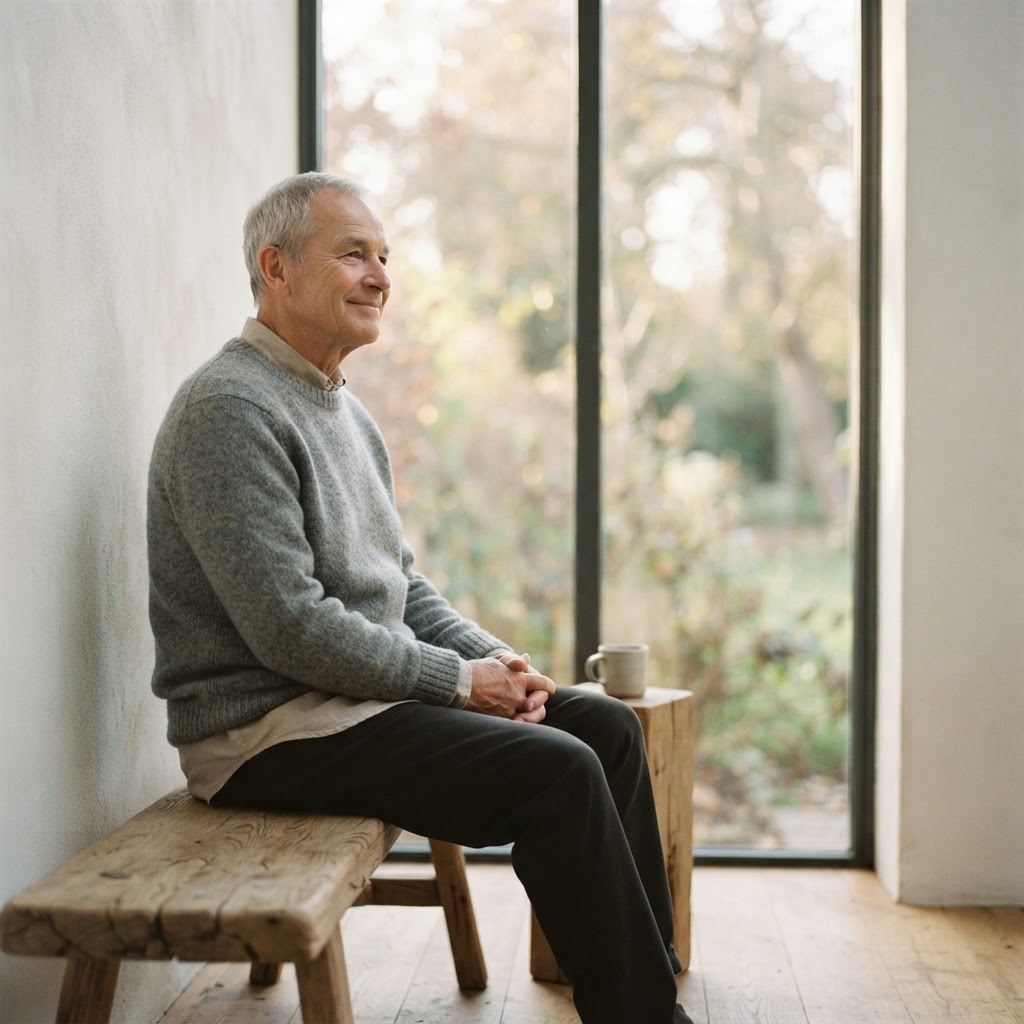
My father is one of the most uncomplicated and cheerful individuals I have ever encountered. He leads a simple life, finds contentment, spreads joy to those around him, and has minimal demands. People are drawn to him, especially during their challenging times. Here's a brief account of a conversation we had one day while he was visiting me in the U.S. I asked him, "Papa, how do you maintain such happiness all the time?" I also wondered why I often feel anxious or worried, despite having achieved more materially than he has. With his trademark smile, he replied, "Yeh challis ka shrap hain beta!"
At the time, I didn't fully grasp his words, as I was too caught up in my own busyness to pay attention. It wasn't until later that I came across insights from Scott Galloway and Morgan Housel. They both touched on related themes in different contexts. Scott discussed how men generally handle emotions, while Morgan focused on how our spending habits evolve as we age. The key takeaway for me was the U-shaped curve of happiness. In our twenties, happiness is high when we are all on equal footing (enjoying life, partying, learning, and not stressing too much). It peaks again in our late sixties, when, once again, our peers are often in similar circumstances (many dealing with arthritis or no longer striving for more or contemplating mortality).
This perspective resonates. Much of our sorrow and anxiety stems from comparing ourselves to others and worrying about how much we can provide for our families. Yet, a lot of it may not truly matter. Regardless, I believe some of us can find our way out of this cycle. 🙂